What are aluminum and UPVC?
Aluminum windows are made from aluminum-alloy profiles: light, strong, rust-free, and powder-coated in many colors. Their strength allows slim frames that carry large glass.
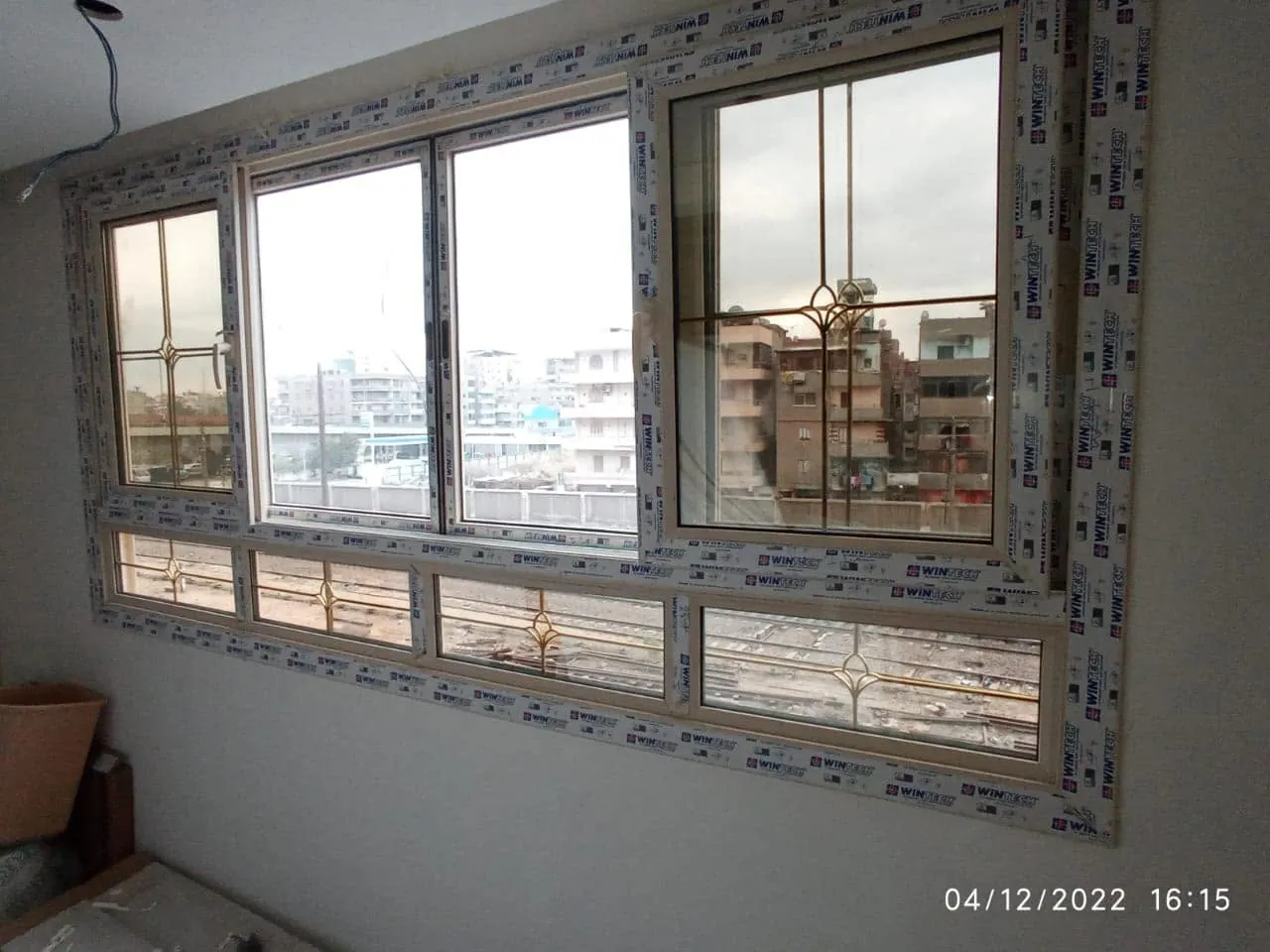
UPVC is unplasticized, rigid PVC extruded into profiles with internal air chambers and a steel reinforcing core. Those chambers are the secret behind its high heat and sound insulation.
Side-by-side comparison
| Criterion | UPVC | Aluminum |
|---|---|---|
| Thermal insulation | Very high thanks to internal chambers | Good, improved with double glazing and gaskets |
| Sound insulation | Excellent — best for busy streets | Moderate to good |
| Opening size | Suited to standard and medium sizes | Excellent for large openings and facades |
| Frame width | Relatively wider | Slim and modern |
| Rust & humidity | Does not rust or react | Does not rust or react |
| Maintenance | Almost none — wipe with a cloth | Low; check gaskets and rollers on sliders |
| Colors | White or wood-look | A very wide powder-coat range |
| Typical use | Bedrooms, living rooms, bathrooms | Balconies, facades, shops |
Insulation: heat, noise and dust
If your flat faces a main road or sits on a high floor, insulation is the most important criterion. UPVC profiles have multiple air chambers that block heat and sound transfer, and with tight gaskets and casement or tilt-and-turn opening, the window seals very tightly.
Aluminum conducts heat by nature, but with double glazing, good gaskets and brush seals it reaches very good insulation, especially in hinged windows.
Showroom tip: sliding windows — in any material — insulate less than casement windows because the sashes run on a track. If insulation is your priority, choose casement or tilt-and-turn.
Looks and large openings
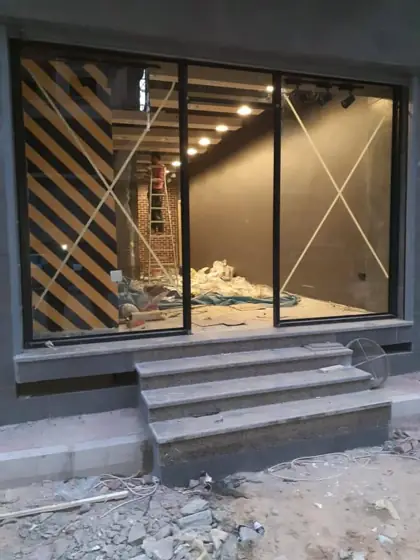
This is where aluminum wins. Its strength allows slim profiles to carry wide glass panels without bending, giving more daylight and a cleaner look — which is why it is the natural choice for facades, balconies and shopfronts.
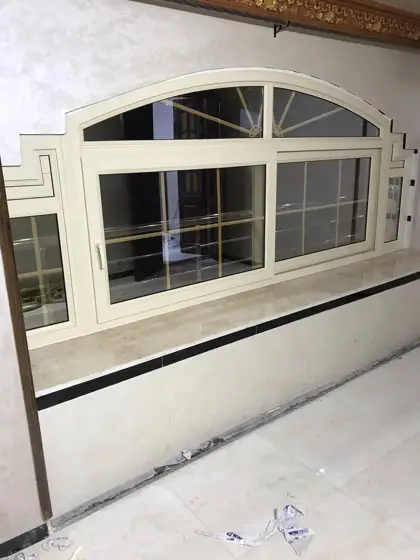
UPVC looks very elegant in standard sizes and works well for arched shapes and classic grids, as you can see in our gallery.
What drives the price?
Prices move with material costs, so instead of a fixed number that quickly goes out of date, here are the factors that actually determine what a window costs:
- Profile type and depth — number of chambers in UPVC, profile weight in aluminum.
- Glass — single or double, clear, frosted or tempered.
- Opening style — casement and tilt-and-turn usually cost more than sliding.
- Size and shape — arches and grids take more work.
- Hardware — locks, handles, insect screens and hardware brand.
For an accurate price for your home, send us your measurements or book a site visit and we will prepare a detailed quote.
So which should I choose?
Choose UPVC if:
- Your flat faces a busy road or another noise source.
- You want less heat and dust and lower air-conditioning bills.
- You are replacing bedroom and living-room windows or bathroom doors.
Choose aluminum if:
- You have wide openings or a balcony that needs large glass.
- You are building a shop, showroom or office front.
- You want a slim frame in a distinctive color, or the best price-to-durability ratio.
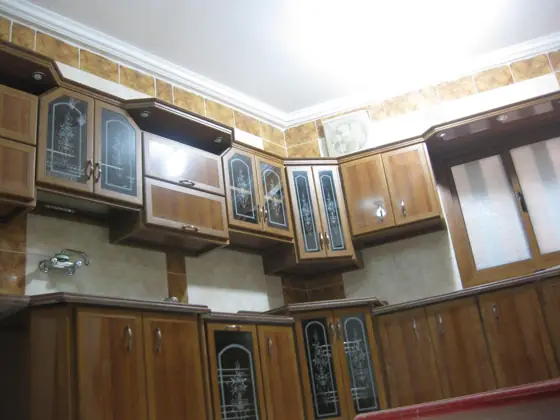
Many homes combine both: UPVC for bedrooms and aluminum for balconies. The same logic applies to kitchens: aluminum kitchens for humid spaces and wood kitchens for richer finishes.